The 2026 UK Ecommerce Guide to Skyrocketing Social Media Conversions
Why Social Media Matters for UK Ecommerce
The UK ecommerce space is changing fast. Today, social media is not just for likes or comments. It is where brands connect with consumers, build trust, and drive real sales. The 2026 Zefoy Social Index™ shows that 81% of shoppers make spontaneous purchases annually after seeing products on social. In fact, over 30% of UK users admit to making impulse purchases every month.
This proves one thing. Social is now the primary channel for product discovery and the full buying journey. Click here to download Zefoy on PC.
Social Media Is Now the Storefront
Modern platforms work like digital shops. Buyers no longer start with a focused web search. They scroll, pause, discover, browse, and sometimes buy while distracted.
- Buyers want seamless integration between online stores and social apps
- They prefer to purchase directly on-platform
- They expect frictionless paths and smooth checkout
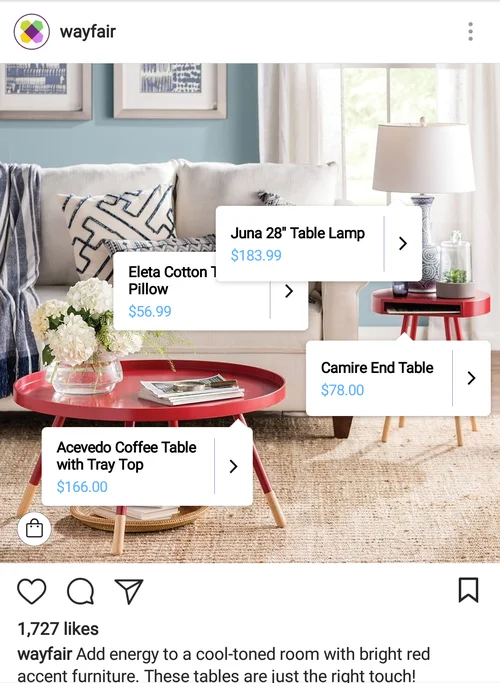
- Features like shoppable posts, story calls to action, and clear CTAs make purchasing easy
This new model redefines cycle behavior. The entire customer journey is now unfolding on social.
Authenticity Drives Conversions
In the UK, authenticity is the best sales tool. People trust real voices more than polished ads.
- User-generated content (UGC) builds strong social proof
- Smart strategic investment in collecting and commissioning content from local creators increases trust
- Honest creator content often beats heavy branded content
When buyers relate to content, conversion rates improve. Relatability is one of the key factors behind success.
DMs Are the New Customer Service Channel
There has been a major shift in communication. Many buyers now prefer DMs over emails.
- 73% of users will move to a competitor if brands fail to respond within 24 hours
- Fast response time builds trust
- Tools like Sprout Social, including Smart Inbox and URL Tracking, support better performance tracking
This is not optional anymore. In this new normal, fast replies directly support driving sales.
Choosing the Right Channels
Different channels deliver different results. Here is a simple look at the top performers in the UK market.
- 33.4 million users in early 2026
- 81.2% of 18–34 year olds are active
- Ad reach grew by almost 1 million between October 2025 and January 2026
- Strong tools include Reels, swipe-ups, product tags, and Instagram Shop listings with hashtags
It remains a powerful network for millennials and Gen Z.
TikTok
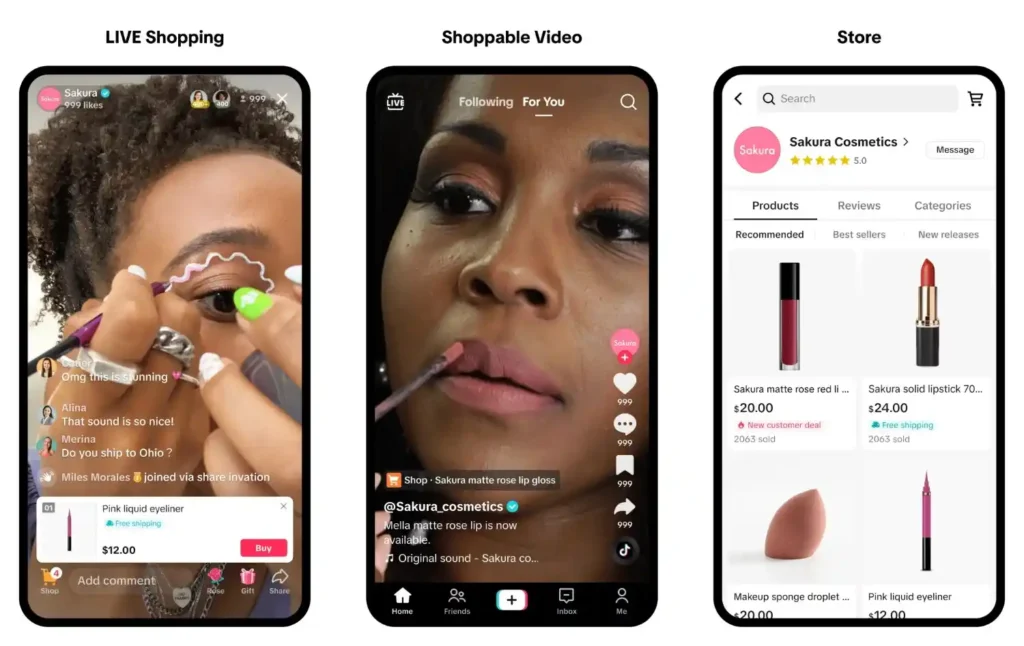
- 24.8 million users over 18
- 74% of online users ages 18–24
- Users spend an average of 64 minutes per day
- Features like LIVE Shopping, Shoppable Video, and TikTok Shop drive discovery-led conversions
This go-to app works very well for Fast-Moving Consumer Goods (FMCG).
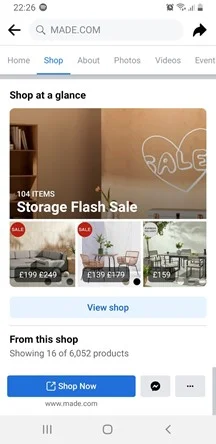
- 38.3 million users
- Covers 64.6% of Brits over 13 years
- Ad reach increased by 1.2 million in 2026
- Ideal for higher ticket items due to strong purchasing power
Tools such as Facebook Shop listings, Marketplace posts, and targeted ads support direct purchases.
X (formerly Twitter)
- 22.9 million users
- Around one-third population
- 65.8% men and 34.2% women
- Potential ad reach decreased by 2.73 million, plus another 1.14 million by the start of 2026
Still effective for product drops, launches, and limited stock promotions.
YouTube
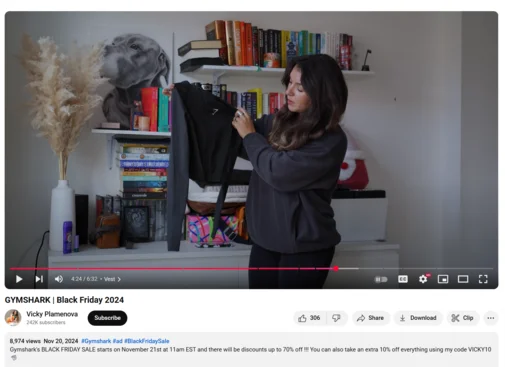
- 54.8 million users
- Reaches 79% of the total population
- 94% of online adults visited in May 2026
- Great for long-form reviews, unboxings, and tutorials
It supports higher-consideration purchases and builds deep trust.
Building a High-Converting Campaign
A high-converting campaign needs clear structure. It cannot rely on trial and error.
1. Set Clear Goals
Each funnel stage needs its own focus.
- Early content to build awareness
- Middle funnel to build interest
- Late funnel to inspire actions like add-to-carts and newsletter sign-ups
- Use a tagging tool and Campaign Planner to measure progress
Clear, distinct goals reduce confusion and improve results.
2. Match Content to Objectives
Content must fit the goal.
- To drive traffic: use link posts, strong headlines, and clear images
- To drive sales: try product promo Reels, live events, and smooth in-app checkout
- To capture leads: use lead-generation ads, embedded forms, and smart gated content
- To increase follower count: post with trending audio, smart hashtags, and creative collaborations
Always keep voice and tone consistent. A cohesive strategy helps audiences recognize your brand.
Measure What Truly Matters For UK Ecommerce
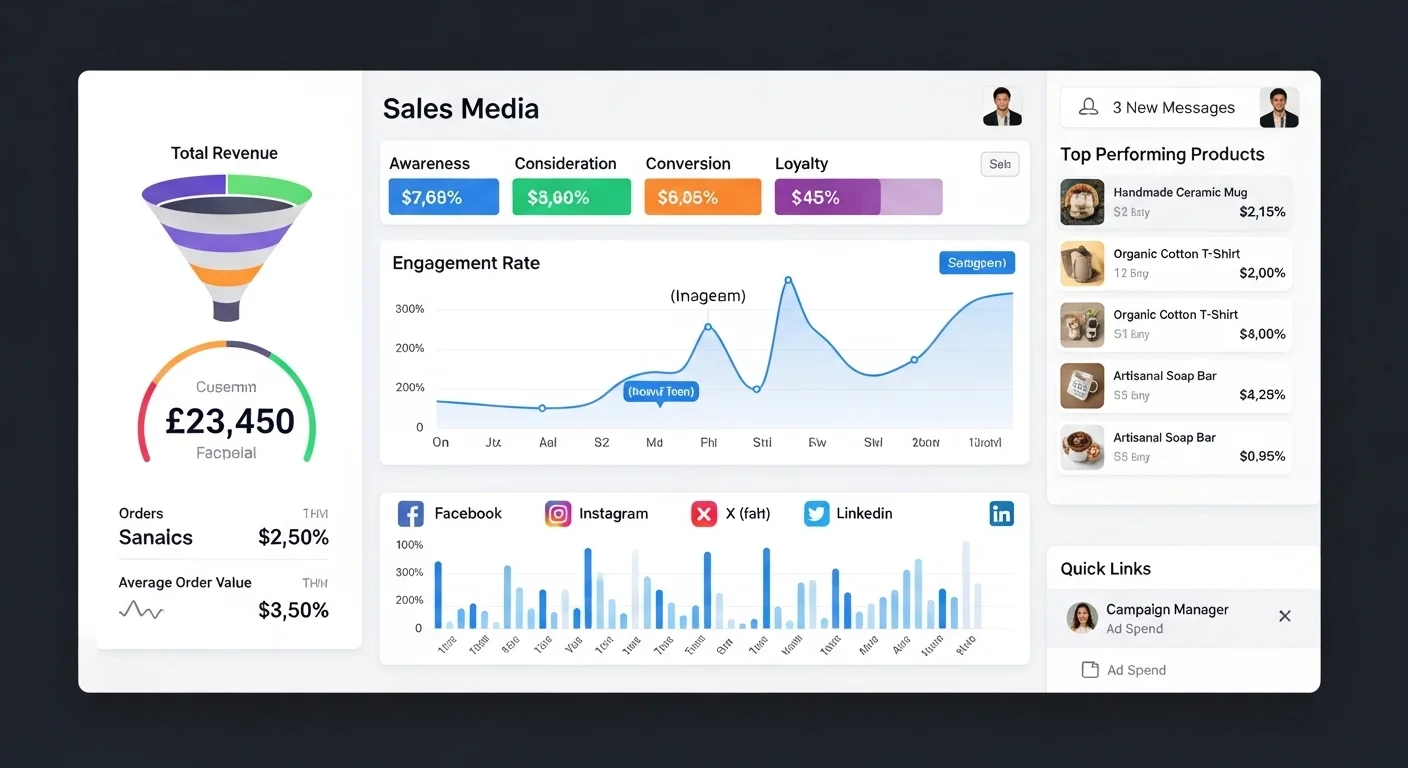
Vanity numbers do not pay the bills. Real metrics connect to business growth.
- Track engagement rates to measure interest
- Monitor click-through rate (CTR) for traffic quality
- Measure cost per click (CPC) to control spending
- Watch the average time to reply to protect trust
- Focus on revenue attribution as the gold standard
Using Premium Analytics and advanced reporting tools helps brands put a real dollar value on social performance.
Real-World Examples
Strong UK brands show how it works.
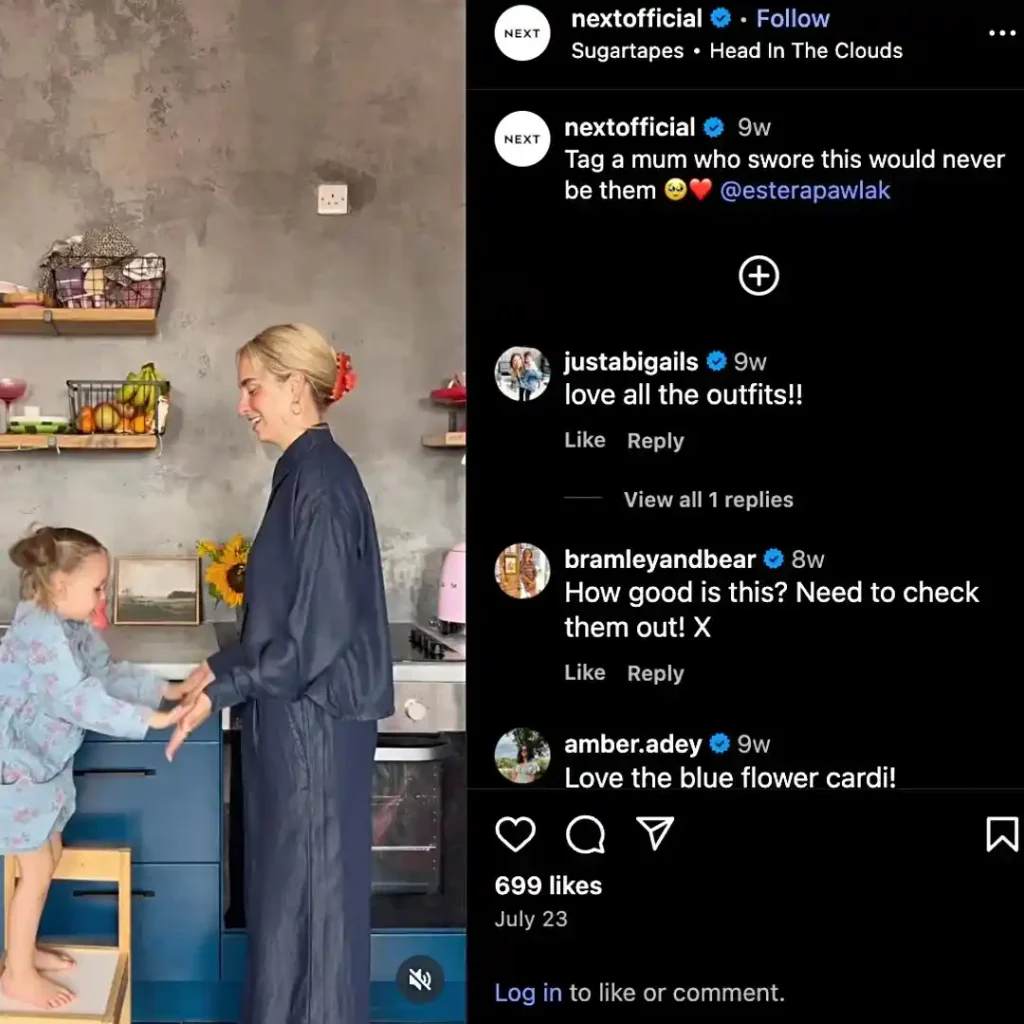
- Next uses integrated shopping with active customer engagement and quick replies
- ASOS connects with tech-savvy Gen Zers using viral videos and the popular #AsSeenOnMe hashtag
Both brands show that strong strategy, fast replies, and consistent content create measurable growth.
Social media is now the lifeblood of every serious UK ecommerce business. From the first scroll to the final purchase, everything happens on social. Brands that build smart, structured strategies win. Brands that ignore the shift fall behind.
Advanced Measurement and Performance Optimisation in the UK Social Media Landscape
Source: Instagram
Social media selling in the UK cannot rely on surface metrics anymore. Likes and impressions look impressive but do not guarantee revenue. In 2026, performance must be tied directly to measurable business outcomes.
A mature ecommerce strategy requires disciplined measurement. That means identifying the metrics that directly influence profit, not just popularity.
Move Beyond Vanity Metrics
Many brands still celebrate:
- Follower growth
- Post reach
- Engagement spikes
These metrics matter, but only as leading indicators. They do not confirm purchasing intent.
Instead, UK businesses must prioritise:
- Click-through rate (CTR)
- Cost per acquisition (CPA)
- Conversion rate
- Average order value (AOV)
- Revenue per visitor
These figures show whether social media efforts actually influence buyer behaviour. Clear revenue attribution separates noise from performance.
Attribution in a Multi-Touch Customer Journey
Modern consumers rarely purchase after one exposure. A typical UK consumer might:
- See a product on Instagram
- Watch a YouTube review
- Encounter a retargeting ad on Facebook
- Convert after clicking a TikTok link
That is a four-touch customer journey.
Without strong tracking, the final click gets all the credit. This distorts reporting and wastes budget.
Tools that help include:
- UTM parameters
- Pixel tracking
- Server-side tracking
- Platform analytics dashboards
- Integrated reporting systems
Using an appropriate attribution model shows how each social media channel contributes to sales, enabling smarter budget allocation.
Conversion Rate Optimisation (CRO) for Social Media Traffic
Traffic from social media behaves differently from search traffic.
- Search users show intent
- Social users show curiosity
This requires adjusting landing pages. For higher conversion rates, UK ecommerce brands should:
- Match landing page visuals with ad creative
- Keep headlines aligned with social messaging
- Reduce navigation distractions
- Display clear pricing immediately
- Add trust signals such as reviews, ratings, UGC, and testimonials
Mobile-first optimisation is crucial. Most social media browsing in the UK happens on mobile. Slow pages increase abandonment immediately.
Retargeting: Turning Interest Into Revenue
Most social media visitors do not purchase on the first visit.
Retargeting closes the gap.
High-performing UK campaigns use layered retargeting:
- Viewed content but no cart action
- Added to cart but no checkout
- Revisited the product page multiple times
Messaging can include:
- Reminder ads with urgency
- Limited-time discount offers
- Social proof reinforcement
- Free delivery notifications
Segmentation improves efficiency and lowers CPA.
Case Study Insight: Next
Next demonstrates disciplined platform integration.
They align:
- Social creative
- Website layout
- Email retargeting
- Promotional calendars
During seasonal campaigns, messaging remains consistent across platforms. This reduces friction and builds trust, increasing purchasing likelihood.
Case Study Insight: ASOS
ASOS leverages UGC and creator partnerships at scale.
Their strategy focuses on:
- Influencer collaborations
- Community-driven campaigns
- Youth-focused messaging
- Rapid trend adaptation
They amplify authentic voices, improving engagement and conversion rates. Community influence drives stronger ROI than polished ads alone.
Data-Driven Budget Allocation
Budget should follow performance signals, not assumptions.
- Instagram: strong mid-funnel engagement
- TikTok: discovery and top-of-funnel traffic
- Facebook: retargeting and older demographics
- YouTube: high-consideration purchases
Adjust the budget dynamically based on:
- CPA trends
- Audience saturation
- Creative fatigue
- Seasonal buying behaviour
Rigid allocations reduce agility. Adaptive budgeting improves profitability.
Creative Fatigue and Refresh Cycles
Even strong creatives decline over time.
Watch for:
- Rising CPA
- Falling CTR
- Lower engagement
- Increased negative feedback
Refresh every 4–6 weeks. Use:
- New hooks in the first 3 seconds
- Different creator faces
- Updated product angles
- Seasonal framing
Freshness helps both algorithms and audiences.
Leveraging Community for Long-Term Growth
Short-term sales matter, but long-term brand equity matters more.
- Respond to community comments
- Use polls and interactive stories
- Encourage customer resharing
- Host live Q&A sessions
Engaged communities improve visibility, reduce dependence on paid acquisition, and boost conversion rates.
Compliance and Trust in the UK
Trust is crucial in the UK regulatory environment.
Retailers must:
- Label sponsored content clearly
- Follow ASA guidelines
- Maintain transparent pricing
- Honour delivery timelines
Non-compliance damages reputation and reduces revenue.
Preparing for AI-Driven Personalisation
Personalisation dominates the next phase of social media marketing.
Algorithms now tailor:
- Feed content
- Product suggestions
- Dynamic ads
- Automated recommendations
Structured product feeds, segmented audiences, and clean customer data are vital. Early investment improves targeting efficiency.
Frequently Asked Questions – UK Ecommerce
No universal answer. Fashion and lifestyle perform on Instagram and TikTok. Older demographics may prefer Facebook. High-consideration products benefit from YouTube reviews.
Typically 6–12 weeks. Early engagement appears quickly, but stable profitability requires optimisation cycles, creative testing, and retargeting.
Organic reach alone is rarely enough. Combining organic trust-building with paid amplification delivers stable growth
Over-investing in content without tracking. Creative without analytics leads to inefficient scaling.
Highly influential, especially for younger demographics. Authenticity matters more than follower count. Micro-creators often provide better ROI.