
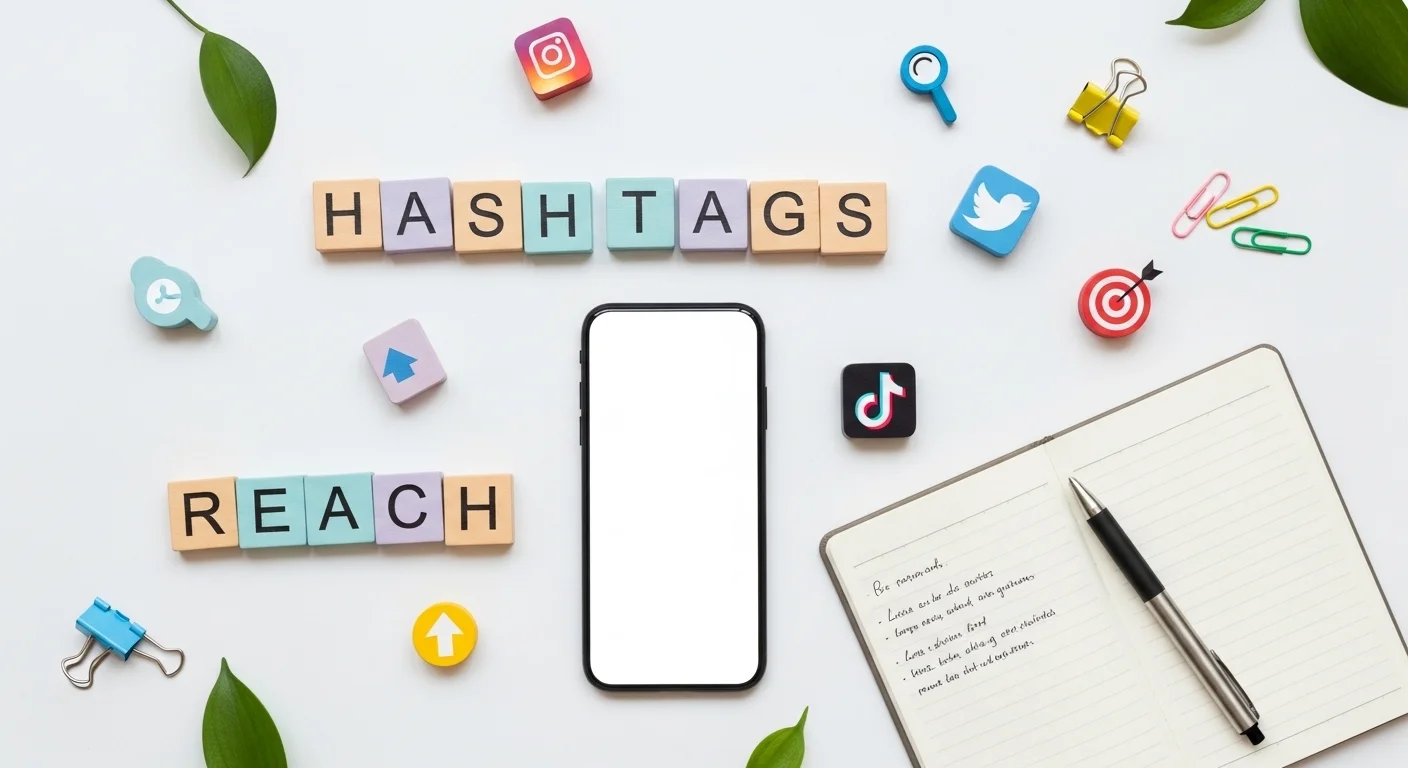
Hashtags: How to Use Them Wisely for Better Reach
The hashtags are very important and this is a trend. They are a smart way to grow engagement, increase reach and help users to discover your content. Many brands use them to connect with their target audiences and find a specific niche. The proper use of hashtags improves brand visibility, start real conversations and connects posts to relevant topics.
They work like tags that are used to categorize posts. This helps people find what they want faster. A smart mix of popular and niche hashtags can attract potential customers looking for your products or services. They also add additional context to captions, making your message clear and engaging for visual content, photos, and videos.
Many social media marketers feel confused about hashtags. Some experts even called them irrelevant. But studies, including a LinkedIn poll by Sprout Social, showed their strong impact on content reach and performance. The results from thousands of votes proved that hashtags still matter in this new era of social media platforms in 2026.
The History Of the Hashtag
The story of hashtags begins in 2007 with Chris Messina who is a product designer. He suggested using the # symbol to group conversations online. His goal was to prevent one dominant gatekeeper from controlling online talks. He believed hashtags could create open superstructures for an interoperable, decentralized social web.
The symbol has older roots. In 1971, telecommunications companies added it to the touch-tone dialing keypad. It was called the octothorpe, but also known as the pound sign or number sign, like in #2 pencil.
Before social media, musicians used it for a sharp note, such as F#. Copy editors used it to show space marks. In the early internet days, chatroom users from the programmer culture called it hash. With time it became part of the modern popular lexicon.
How Hashtags Improve User Experience
In the early 2000s, social media feeds were messy. These chaotic social feeds made the user experience frustrating. Today, algorithms and hashtags work together. They create order and make posts a clickable and searchable link.
Hashtags help amplify posts. They connect them to larger conversations and trending topics. For example, during the FIFA World Cup, hashtags like #WorldCup and #FIFAWorldCup increased visibility in global searches and feeds.
On TikTok, #SummerVibes reached 13.4 billion views with many top videos. That shows the real popularity and power of viral content.
Some hashtags shaped history. #MeToo and #BlackLivesMatter became strong social movements. And others, like #Gentleminions, became a cultural phenomenon increasing box office numbers for the Minions franchise.
Hashtags on Different Social Media Platforms
Each platform is different. A one-size-fits-all approach does not work. Below are detailed sections for each network.
Instagram Hashtags
Hashtags on Instagram boost engagement and brand awareness. According to the Instagram Creator Community, using 3-5 hashtags is ideal. They can be placed in posts, Stories, comments, or bios.
Hashtags like #skincare, #beauty, and #moisturizer help beauty brands connect with people searching for those topics. This helps potential customers find specific products.
Some branded examples like Rare Beauty, created by Selena Gomez, use #rareroutine to grow a loyal community. This kind of branded hashtag increases mentions, clicks, and overall reach.
Facebook Hashtags
Facebook hashtags are useful but should be limited. Experts suggest using 1-2 hashtags per post. Many people visit Facebook for news, events and special occasions like the 4th of July.
The good Use of timely hashtags related to holidays or hashtag holidays such as #NationalHotdogDay or #SiblingsDay can improve engagement.
Hashtags can appear in social posts, comments and even on your company page. Keep them simple. Avoid spammy or very generic tags.
TikTok Hashtags
TikTok hashtags are powerful for viral growth. Use around 3-5 hashtags. Avoid overusing #ForYou, #FYP, and #ForYouPage unless they truly fit your video. Check how to use them.
The trends like #SummerVibes and #Gentleminions show how hashtags boost exposure. The brands like Casper joined the internet trend #GoblinMode to match their style and gain attention.
TikTok works well with trending videos, creative challenges and niche communities. Check TikTok Ads setup for better engagement.
Twitter Hashtags
Twitter hashtags are part of Twitter’s DNA. They connect posts to trending stories and real-time talks.
Use hashtags in Tweets, Retweets and Replies. During events like the FIFA World Cup, using trending tags increases reach.
Hashtags help join larger conversations and build quick visibility.
LinkedIn Hashtags
LinkedIn is focused on professional growth. Use 2-3 hashtags related to your industry, such as #SMMs or #workingparents.
A LinkedIn poll by Sprout Social once measured hashtag impact. The strong number of votes proved that they improve performance.
The creators like Jenna Kutcher use #GoalDiggerPodcast and #Entrepreneurship to promote her Goal Digger podcast. This mix of branded and general hashtags works well for building authority.
YouTube Hashtags
On YouTube, hashtag improve search. Add them to the title and description. This supports content reach and better organization.
Youtube Hashtag help viewers discover related videos faster. Keep them relevant to the message of your content.
Pinterest Hashtags
On Pinterest, hashtag support the discovery of Pins. They help users find seasonal ideas, creative ideas and inspiration for products.
Location tags like #Dublin or #Donner help local search. For example, Myles Apparel used #Donner while posting from Donner Summit, California. A strong location tag improves visibility.
Pinterest works well for visual content, photos and creative graphics.
Using Tools to Track Success
The monitoring and tracking is important. Always monitor results. Measure metrics such as interactions, engagement level and overall ROI.
Use hashtag tracking tools and hashtag analytics tools like RiteTag or Sprout Social Listening. A good social media listening tool shows keywords, related keywords, and audience sentiment in a Listening dashboard with a word cloud. You may see tags like #coffee, morning or drinking trending.
This helps improve your content strategy, test ideas, and avoid spam rotation.
Smart Hashtag Strategy Tips
- Follow the rule of thumb: less is more.
- Avoid too many tags or random acronyms.
- Focus on your brand voice, brand image and clear goals.
- Study competitors, their offerings and engagement level.
- Use targeted hashtags that match your audience.
- Always experiment, analyze results and adjust.
Hashtag also work well during a conference, event, Q&A or a special social media campaign like Orgain’s #OrganicSummer. They help grow relationships, improve exposure and support clear business goals.
Frequently Asked Questions About Hashtag
To categorize content and improve reach, engagement, and brand awareness.
It depends on the platform. For example, 3-5 hashtags on Instagram and TikTok, 1-2 hashtag on Facebook, and 2-3 hashtags on LinkedIn.
Yes. Data, polls, and analytics prove their benefits and measurable impact.
Yes. They connect small brands to larger community conversations and help them compete fairly.



One Comment